
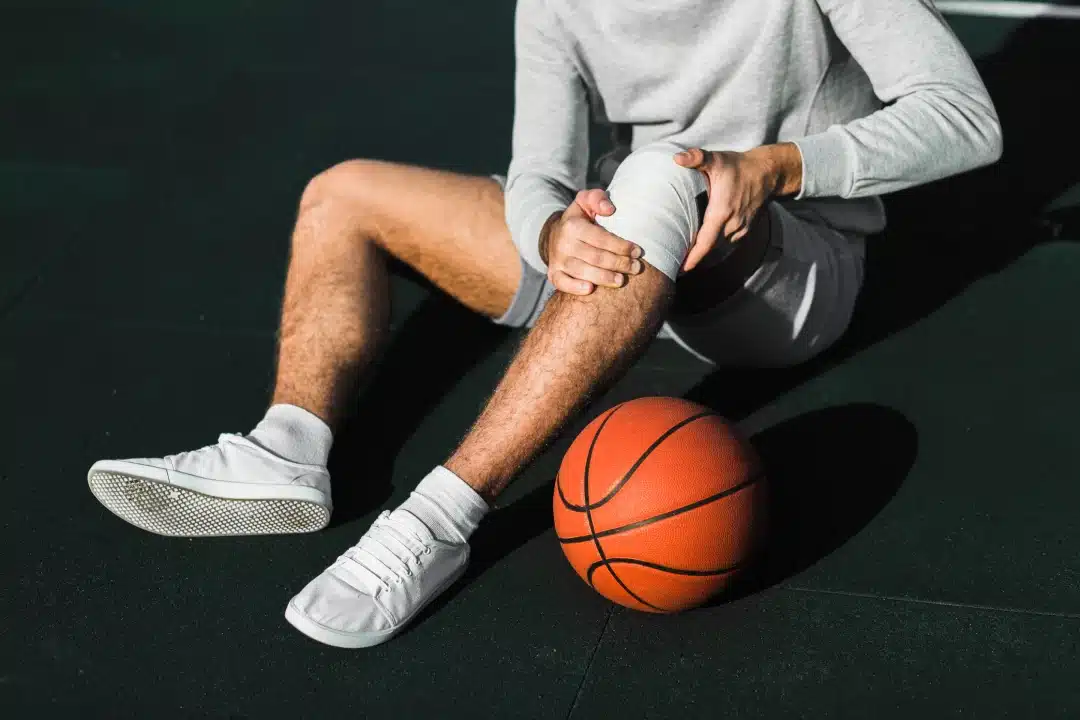
Preventing ACL and Meniscus Injuries in Athletes
Imagine you are sprinting down the field. The crowd’s cheering and adrenaline are pumping. Your eyes are on the goal, and everyone else’s eyes are on you!
You pivot, push off, and suddenly, an excruciating pain runs through your knees! You cannot help but stop. The crowd goes mute. Everyone wonders what happened. But given the pain, you know the season you’ve trained so hard for may be over for you.
Nightmarish, right? As an athlete, you may accept defeat wholeheartedly. But losing a season just because you suffered an injury can be disheartening.
Now, no athlete would want to get injured and be driven away from their favorite sport. Yet, anterior cruciate ligament (ACL) and meniscus injuries are common. In many cases, they can prove to be decisive enough to reshape an athlete’s career.
Scary. But here’s some good news. You can prevent many ACL and meniscus injuries. However, preventing them requires understanding how these injuries happen and what you can do to protect yourself from them. As a multi-specialty orthopedic hospital in Pune, we consider it crucial to discuss this topic. So, here’s a blog that does it.
What are ACL and Meniscus Injuries?
At the outset, let’s understand what ACL and meniscus injuries are.
- ACL Injury
The ACL is a knee ligament that connects your thigh bone to your shin bone.
Each knee comprises one ACL that forms an X shape inside your knee with your posterior cruciate ligament (PCL). The ACL is closer to the front of the knee. On the other hand, the PCL is closer to the rear portion of the knee.
ACL is critical as it connects your bones and prevents your knee from excessive bending or rotating. Thus, any movement or action that stresses your knee enough to bend or twist it beyond its natural limit can tear or injure your ACL.
- Meniscus Injury
A torn meniscus causes a tear in the hard cartilage inside your knee. The meniscus is the two cartilage pieces that sit between the thighbone and shinbone. The cartilage has rubbery wedges that serve as shock absorbers for the knee, cushioning the bones and the knee joint. It can suffer a tear if the knee twists or rotates beyond its natural limit.
A meniscus tear is a common sports injury. However, it can happen to children and teenagers. Now, a meniscus tear is just as critical as an ACL injury. Therefore, when you suffer from a meniscus tear, you must visit a meniscal repair hospital in Pune.
Causes and Symptoms of ACL Injuries
Here are some common causes and symptoms of ACL injuries.
Causes of ACL Injuries
- Sudden or quick pivots or turns while running.
- Landing awkwardly from a jump with poor knee alignment.
- A direct blow to the outer knee portion can also tear the ACL.
- Non-contact injuries that take place due to poor biomechanics.
Symptoms of ACL Injuries
- A “pop” sound when the ACL suffers an injury.
- Severe pain and instability.
- Rapid swelling within just a few hours.
- Pain when you attempt to twist, turn, or put weight on the leg.
- Restricted range of motion or joint stiffness.
Causes and Symptoms of Meniscus Injuries
Some common causes and symptoms of meniscus injuries include the following.
Causes of Meniscus Injuries
- Twisting with a bent knee.
- A tackle or collision – direct impact.
- Degeneration with age in older athletes.
Symptoms of Meniscus Injuries
- Pain, which is usually experienced along the joint line.
- Swelling and tenderness.
- Difficulty bending or straightening the knee.
- A popping or clicking sensation in the knee.
How to Prevent ACL and Meniscus Injuries?
While you can approach an ACL and meniscal repair surgeon in Pune to treat your injuries, preventing them is the best approach. And the good thing is, it is possible by being more careful and following the right techniques. Individual prevention strategies may vary. But here are some generic tips.
- Strengthening the Support Muscles
Maintaining a stronger lower body can help stabilize the knee and reduce ligament stress. Accordingly, you must focus on quadriceps and hamstrings to achieve joint stability, glutes and hips to achieve control alignment, and core muscles for better balance and posture. Exercises like lunges, squats, and glute bridges can help.
- Enhance Balance and Neuromuscular Control
You must also train your body to react appropriately under pressure, which is crucial. Some exercises include single-leg balance drills, agility ladder exercises, and jump-and-land with the right form to avoid awkward landing.
- Warm Up Well
One important, yet often ignored, aspect of exercise is warming up. It is one of the most significant reasons for injuries. Therefore, you must never forget to warm up before exercise. Some exercises you must include are cycling, light jogging, lunges, leg swings, and dynamic stretches that replicate sport-specific movements.
- Pay Attention to Your Body
Listen to what your body says. Avoid exercising when you feel tired. Getting enough sleep and knowing when to stop while exercising is another way of avoiding an ACL injury.
- Use the Right Footwear and Equipment
Wearing the wrong shoes can disrupt movements, resulting in sudden twisting or so. Hence, you must wear shoes that provide adequate support and traction for your sport. Replace worn-out shoes in a timely manner to prevent unnecessary strain on your knees.
- Ensure Proper Cutting Techniques
While changing direction, bend at your knees and hips. Keep your chest up and push off with the outside foot. Avoid placing your foot and twisting your body over a locked knee.
- Stay Hydrated
Proper hydration and nutritional support are factors vital for overall tissue health and recovery. They can also help you prevent injuries.
Need Personalized Consultation and Treatment for ACL and Meniscus Injuries?
Visit Ranka Hospital. We are one of the leading names for ACL and meniscus repair in Pune. We provide personalized treatment and conduct various types of surgeries, including those involving arthroscopic meniscus repair in Pune. Call us at 020 – 24261530 to schedule an appointment.
